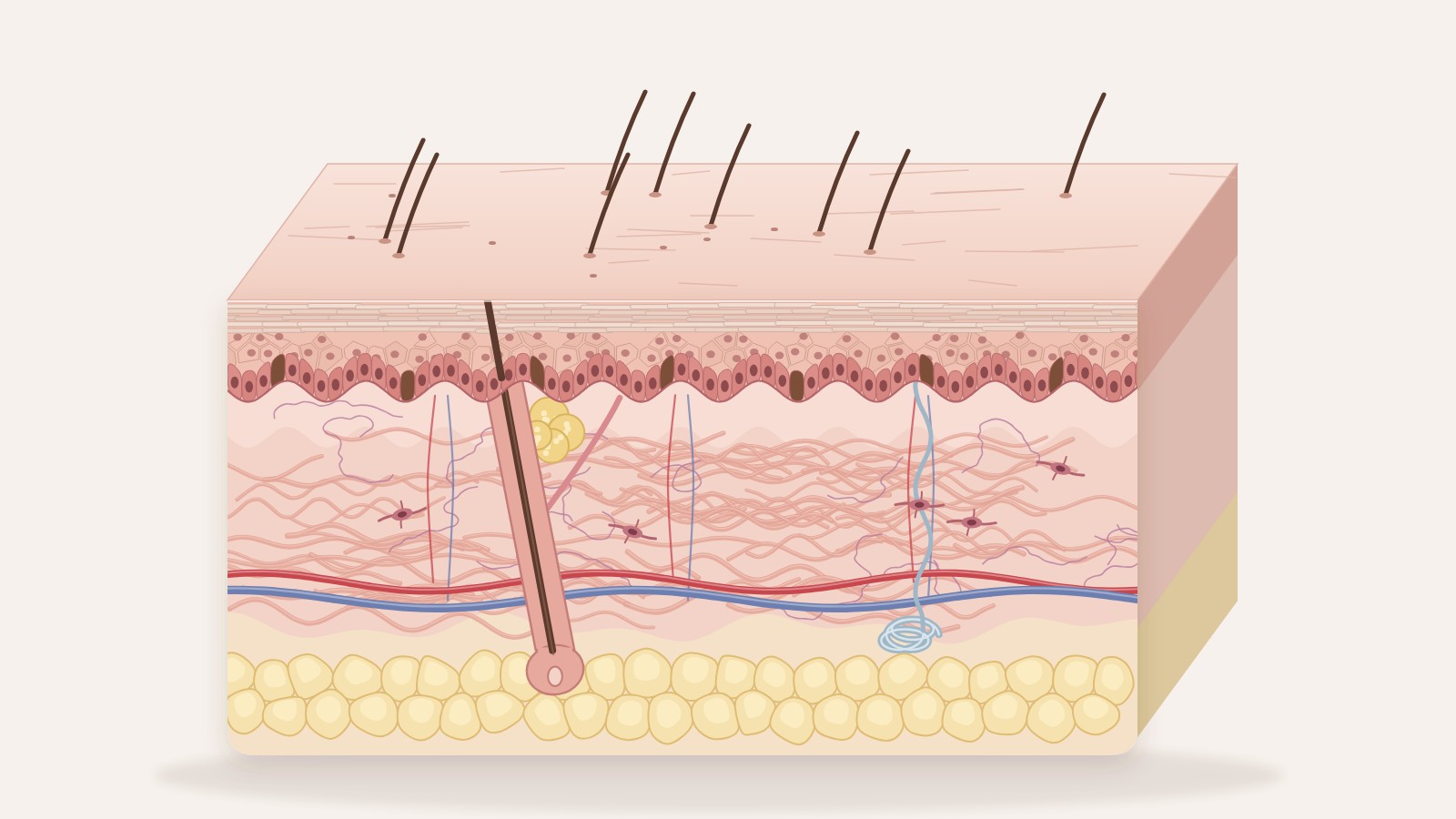
Skin is the largest organ of the human body, and the one every beauty professional works with every day. This first part of our Skin Anatomy series goes beyond products to the science underneath: how skin is built, how it renews itself, what keeps its barrier healthy and how to care for the four skin conditions we see most often in the treatment room.
Skin is not frivolous. Our identity, confidence and laughter all start with it.
Jennifer Leng, Founder of Laponie
The skin in numbers
Skin is the packaging of the human body and a multifunctional organ in its own right. It protects us, regulates body temperature, produces vitamin D, lets us communicate with the outside world through touch, and is often called the mirror of the soul. Just one square centimetre of skin contains:
- 10hair follicles
- 100sweat glands
- 2,500sensory cells
- 3 mof blood and lymph capillaries
- 12 mof nerve fibres
The three layers of the skin
Skin is composed of three primary layers, each with its own structure and role:
- EpidermisA multi-layered epithelium: the protective outer layer we see and touch.
- DermisConnective tissue that gives skin its strength, elasticity and nourishment.
- HypodermisAdipose connective tissue that stores energy, cushions and insulates the body.
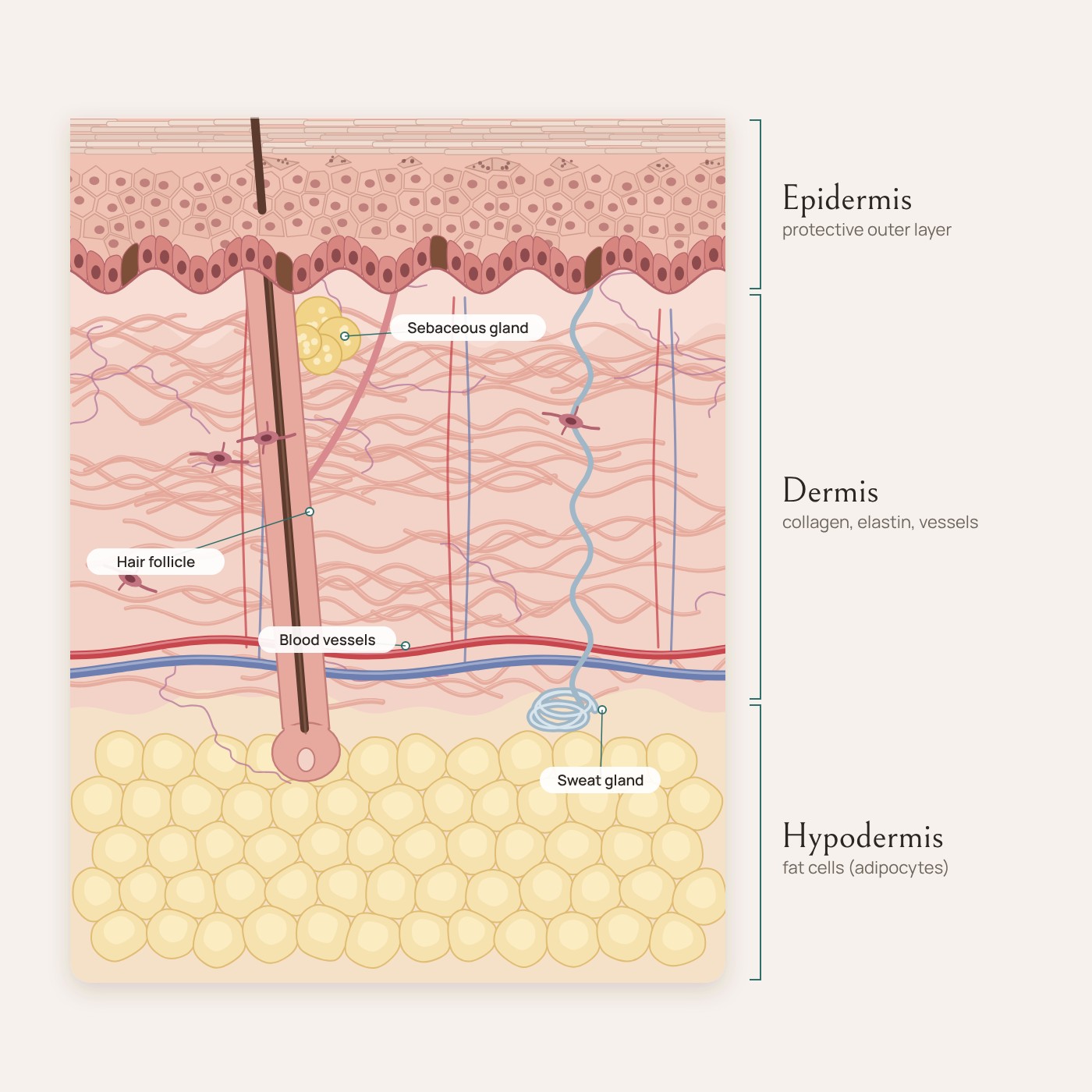
Between the epidermis and the dermis lies the dermal-epidermal junction. It binds the two layers together, determines the architecture of the epidermis, acts as a selective barrier and is important for wound healing.
The epidermis and skin cell renewal
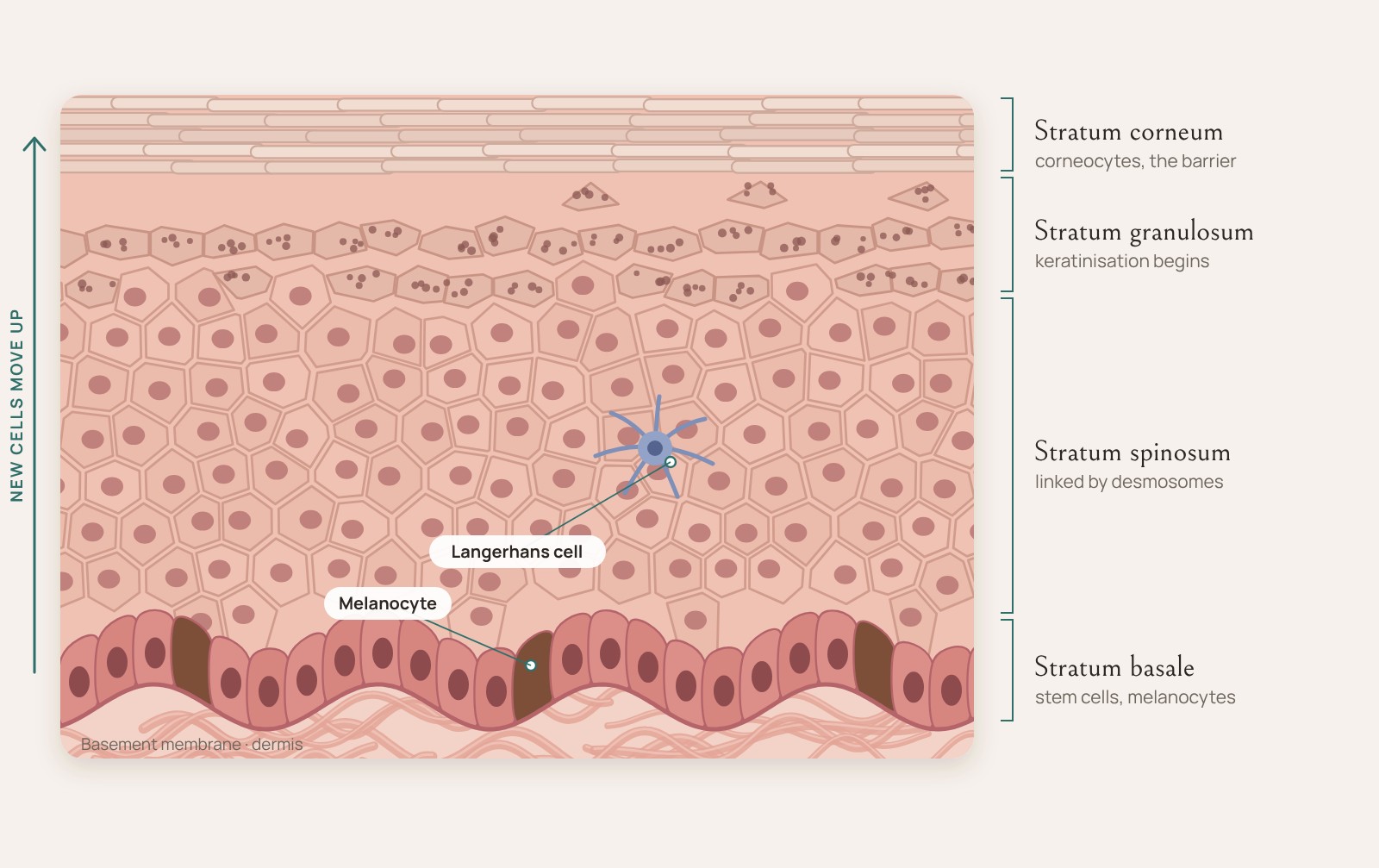
The four layers of the epidermis
| Layer | What happens there |
|---|---|
| Stratum corneum | The outermost layer: a tight, resistant layer of corneocytes. |
| Stratum granulosum | Keratinisation begins: cells start turning into insoluble keratin. |
| Stratum spinosum | Keratinocytes form tight junctions called desmosomes, which keep microbes and foreign substances out. |
| Stratum basale | A single layer of basal cells with epidermal stem cells, melanocytes and Merkel cells. |
The keratinisation process
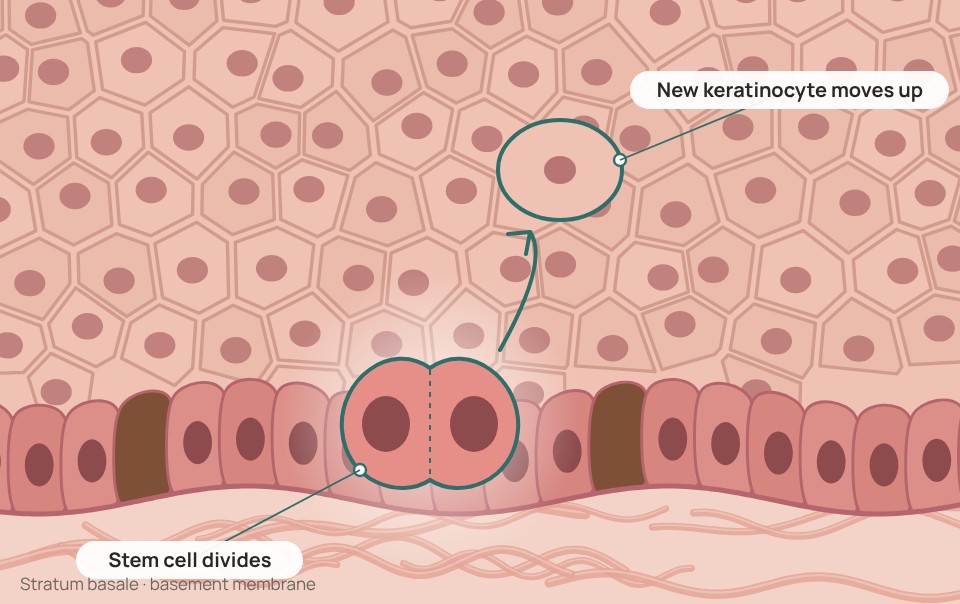
New cells travel from the stratum basale up to the stratum corneum. On the way, epithelial cells lose their moisture and are replaced by corneous tissue. Keratinisation starts in the stratum granulosum, where cells change into insoluble keratin held in place by a lipid “cement”. The process is influenced by the skin’s pH, temperature and electrolyte balance.
The cells of the epidermis
- Epidermal stem cellsResponsible for cell renewal and regeneration.
- KeratinocytesProduce keratin, natural moisturising factor (NMF) and lipids.
- CorneocytesForm the tight, resistant stratum corneum.
- MelanocytesProduce melanin, the skin’s pigment.
- Langerhans cellsTake care of the skin’s immune defence.
The vitality of epidermal stem cells decreases with age, and natural moisturising factor plays a role in desquamation, the skin’s natural shedding of dead cells. This is why renewal slows and skin can look duller as we get older.
Skin stem cells and plant stem cell extracts
Stem cells can multiply by dividing and give rise to new, specialised cells. Skin stem cells renew themselves and turn into different skin cells: they handle everyday regeneration and help repair the epidermis after injury. There are three types:
- Epidermal stem cellsFound in the basal layer; responsible for everyday regeneration.
- Hair follicle stem cellsFound throughout the hair follicle; renew the follicle and help regenerate the epidermis and sebaceous glands.
- Melanocyte stem cellsRegenerate melanocytes; where they sit in human skin is not yet fully known.
Stem cells in cosmetics
Living stem cells cannot be used in cosmetics. What skincare can use is the active extract and antioxidants from plant stem cells, which can send signals that support the activity of the skin’s own stem cells. Young skin is plumped from within; aged skin slackens; and plant stem cell extracts can help aged skin look plumper and more active.
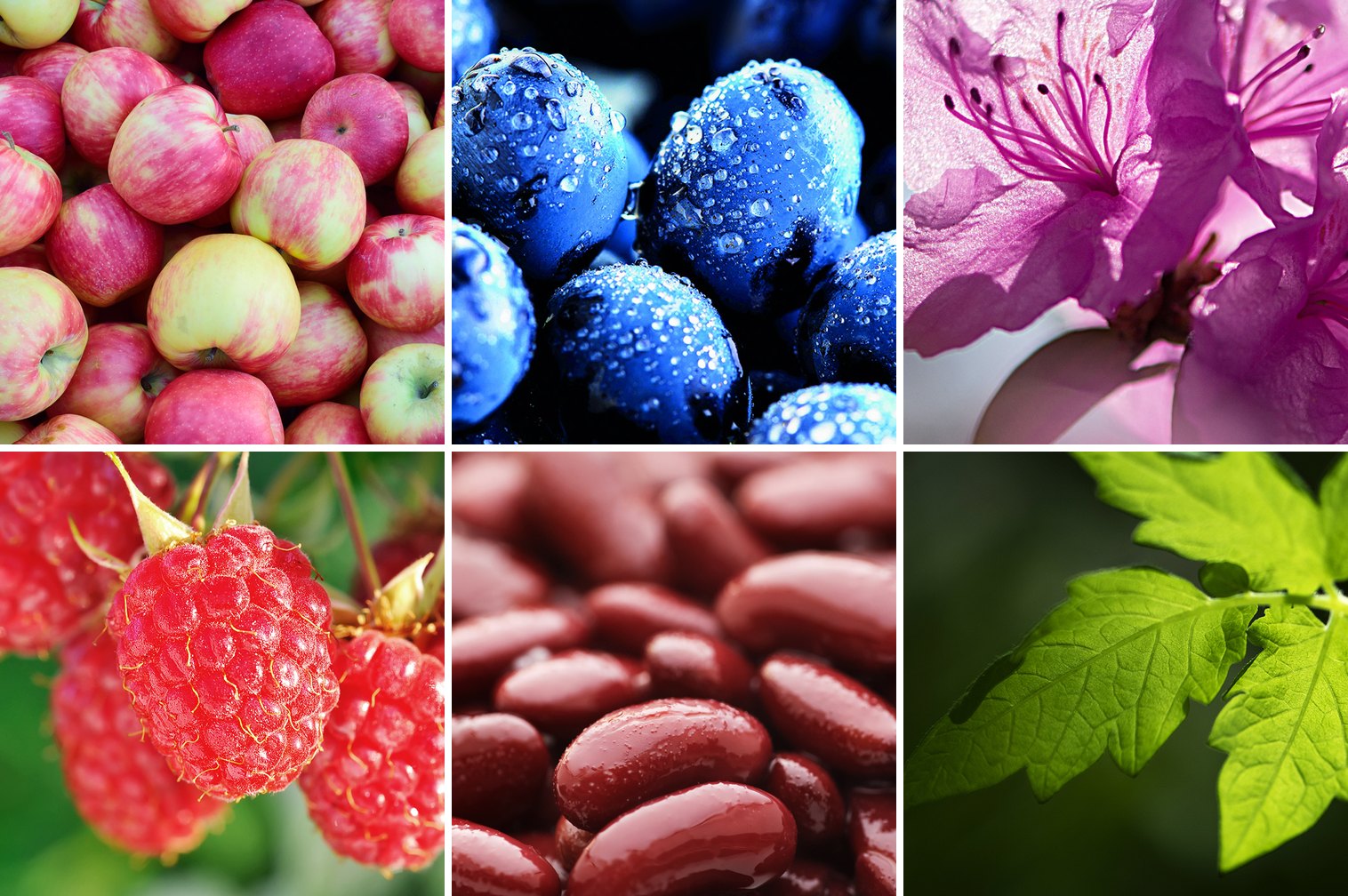
| Plant stem cell extract | Cosmetic benefits |
|---|---|
| Apple | Helps protect the skin’s natural stem cells and reduce the look of crow’s feet. |
| Grape | Supports the activity of the skin’s own stem cells and helps protect against light-induced ageing. |
| Alpine rose | Stimulates regeneration, strengthens the skin, reduces visible signs of ageing and helps prevent water loss. |
| Raspberry | Helps protect against premature ageing, with free-radical scavenging and soothing properties. |
| Kidney bean | Helps fight photo-ageing and shields the skin from oxidative stress and UV. |
| Tomato leaf | Detoxifying, and helps protect against urban pollution. |
The dermis: collagen, elastin and fibroblasts
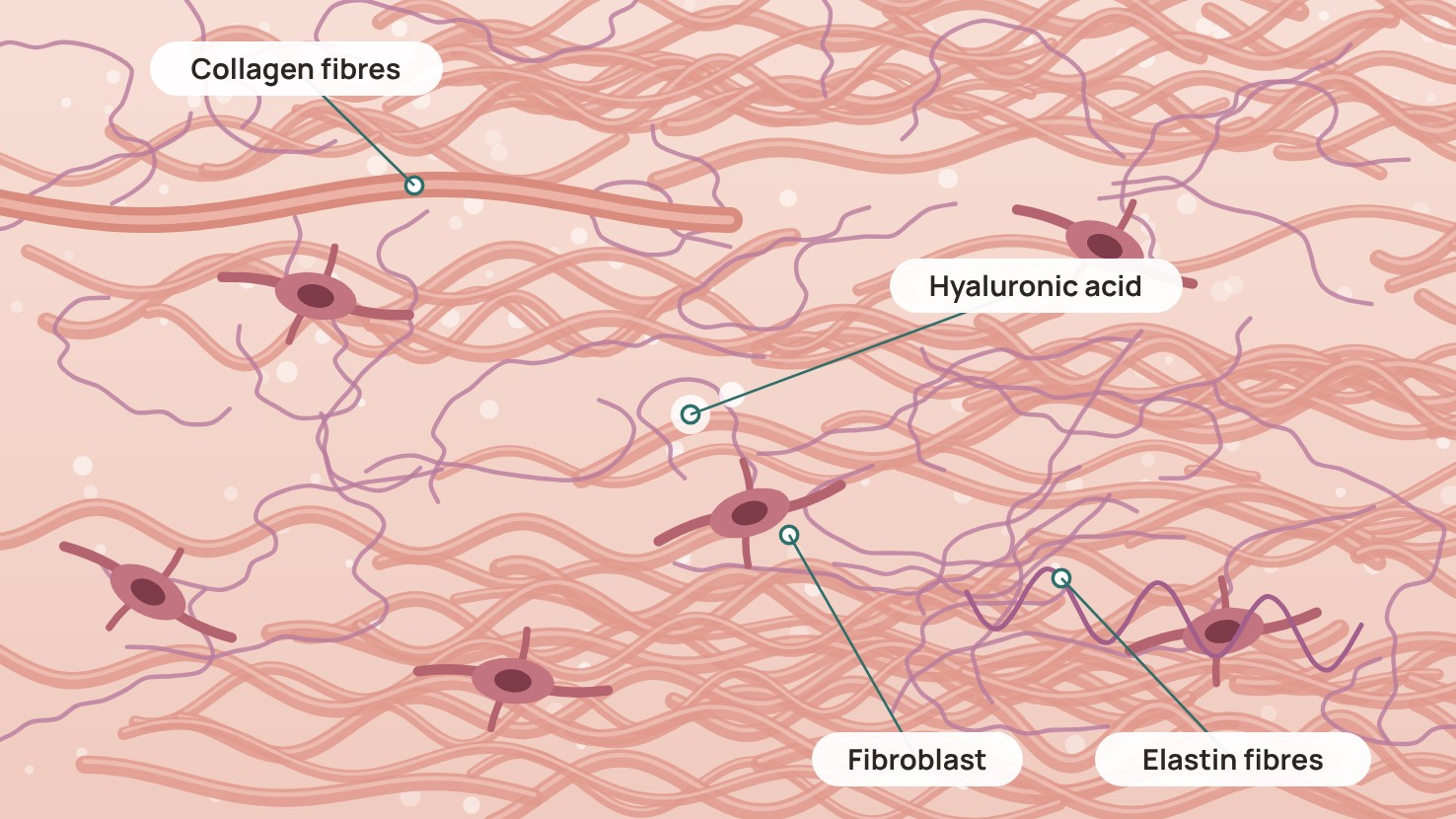
The dermis is the deep layer of dense connective tissue between the epidermis and the hypodermis. Its cells sit in an extracellular matrix of collagen and elastin fibres, and it holds the blood and lymph vessels, nerves, hair follicles and sweat glands. It has two layers:
- Papillary dermisThe superficial layer bordering the epidermis: loose connective tissue rich in blood and lymph capillaries, nerve fibres and touch receptors.
- Reticular dermisThe thick, well-vascularised deep layer: a tight net of collagen and elastin fibres, with sweat glands, hair follicles and nerves.
The building blocks of firm, elastic skin
- FibroblastsProduce collagen, elastin and glycosaminoglycans. With age their number falls and the dermis gradually sags.
- CollagenA strong protein fibre that gives skin tensile and compressive strength.
- ElastinA stretchy, resilient fibre that helps skin return to its shape.
- GlycosaminoglycansSugar chains such as hyaluronic acid that bind water and act as the skin’s shock absorber.
- Mast cellsImportant for regeneration and repair; produce hyaluronic acid and histamine.
The gel-like ground substance of the dermis, made of water bound by hyaluronic acid and polysaccharides, determines how thick and plump the dermis is. The dermis also contains specialised sensory receptors for touch, vibration, pressure, heat, cold and pain.
The hypodermis
The deepest layer is made of white adipose tissue: fat cells (adipocytes) and connective tissue. It stores energy, shapes the body, insulates us from temperature changes and acts as a shock absorber against pressure.
The skin’s ecosystem: microbiome, pH and barrier
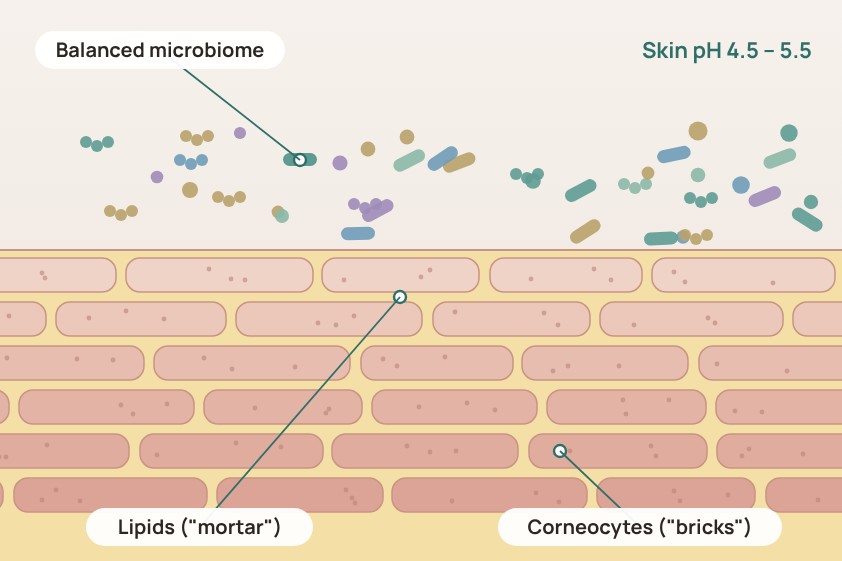
Pure, glowing skin rests on three pillars that work together as one ecosystem:
- Skin microbiomeA balanced community of micro-organisms that keeps skin healthy and protects it from bacteria, fungi, viruses and allergens.
- Skin pHA slightly acidic pH of around 5.5 helps keep skin hydrated, youthful, glowing and balanced.
- Hydrolipid barrierAn intact lipid barrier preserves hydration and protects against environmental aggressors.
When the barrier is disrupted and the microbiome falls out of balance, skin becomes sensitive and reactive, and conditions such as atopic skin, acne and rosacea can be aggravated.
What influences the skin’s ecosystem
- Endogenous factors: chronological ageing makes skin more alkaline, hormonal changes such as pregnancy affect the ecosystem, and diet has a direct impact on the microbiome and pH.
- Exogenous factors: cleansing too often, scrubbing hard and using unsuitable cleansers such as bar soap all disturb the skin’s ecosystem.
- Lifestyle, environment and host physiology: occupation, hygiene, climate, location, sex, age and body site all shape the microbiome.
Four common skin conditions and how to care for them
Dehydrated skin
Lacks water. Dehydration comes from moisture evaporation and excessive transepidermal water loss (TEWL), driven by wind, long showers, over-cleansing and unsuitable products. Well-balanced skin keeps TEWL healthy.
Care: humectants draw water into the skin (glycerin, urea, lactic acid); emollients fill in and smooth (sodium hyaluronate, sodium PCA); occlusives seal water in (squalane, shea butter, plant oils).
Dry and atopic skin
Low in natural lipids, with tightness, itching and irritation. Very dry skin may develop into atopic skin: severe flaking, sensitisation from a disturbed hydrolipid barrier, a parchment-like look and premature wrinkles.
Care: occlusives to prevent water loss, a bio-active repair complex such as white peony extract, and daily sun protection.
Oily skin and acne
Hormones, medication, stress and diet have a strong effect on acne; greasy food, hygiene and cosmetics have a smaller one.
Care: reduce sebum (fruit enzymes, glycolic acid, algae extract), unclog pores (bentonite, kaolin, charcoal, papaya) and keep skin bacteria in balance (micro silver).
Sensitive skin
Reacts to physical, chemical, physiological and hormonal triggers.
Care: hydrate with hyaluronic acid and calm irritation with soothing complexes such as algae and aloe vera, cottonseed oil and botanical blossom extracts.
This article is for professional education. Persistent or severe skin conditions should be seen by a doctor or dermatologist.
Frequently asked questions
What are the three layers of the skin?
The epidermis (the protective outer layer), the dermis (connective tissue with collagen, elastin, blood vessels and nerves) and the hypodermis (fatty tissue that stores energy, insulates and cushions the body).
How does the skin renew itself?
Epidermal stem cells in the stratum basale divide and produce new cells. These travel up through the epidermis, lose their moisture and turn into keratin, and finally shed from the stratum corneum. Renewal slows with age.
What is the ideal pH of the skin?
Healthy skin has a slightly acidic pH of around 5.5, with a protective acid mantle of roughly 4.5 to 5.75. It helps maintain hydration, a balanced microbiome and a healthy barrier.
Can stem cells be used in skincare?
Living stem cells cannot be used in cosmetics. Skincare uses plant stem cell extracts and their antioxidants, such as apple, grape or alpine rose, which can support the activity of the skin’s own stem cells.
What is the difference between dry and dehydrated skin?
Dry skin lacks lipids (oil), while dehydrated skin lacks water. Dry skin needs lipid-rich, barrier-repairing care; dehydrated skin needs humectants, emollients and occlusives to restore and hold moisture.
Bring the Laponie Expert Masterclass to your salon
Our trainers teach skin science, treatment protocols and product knowledge to partner salons across Singapore.